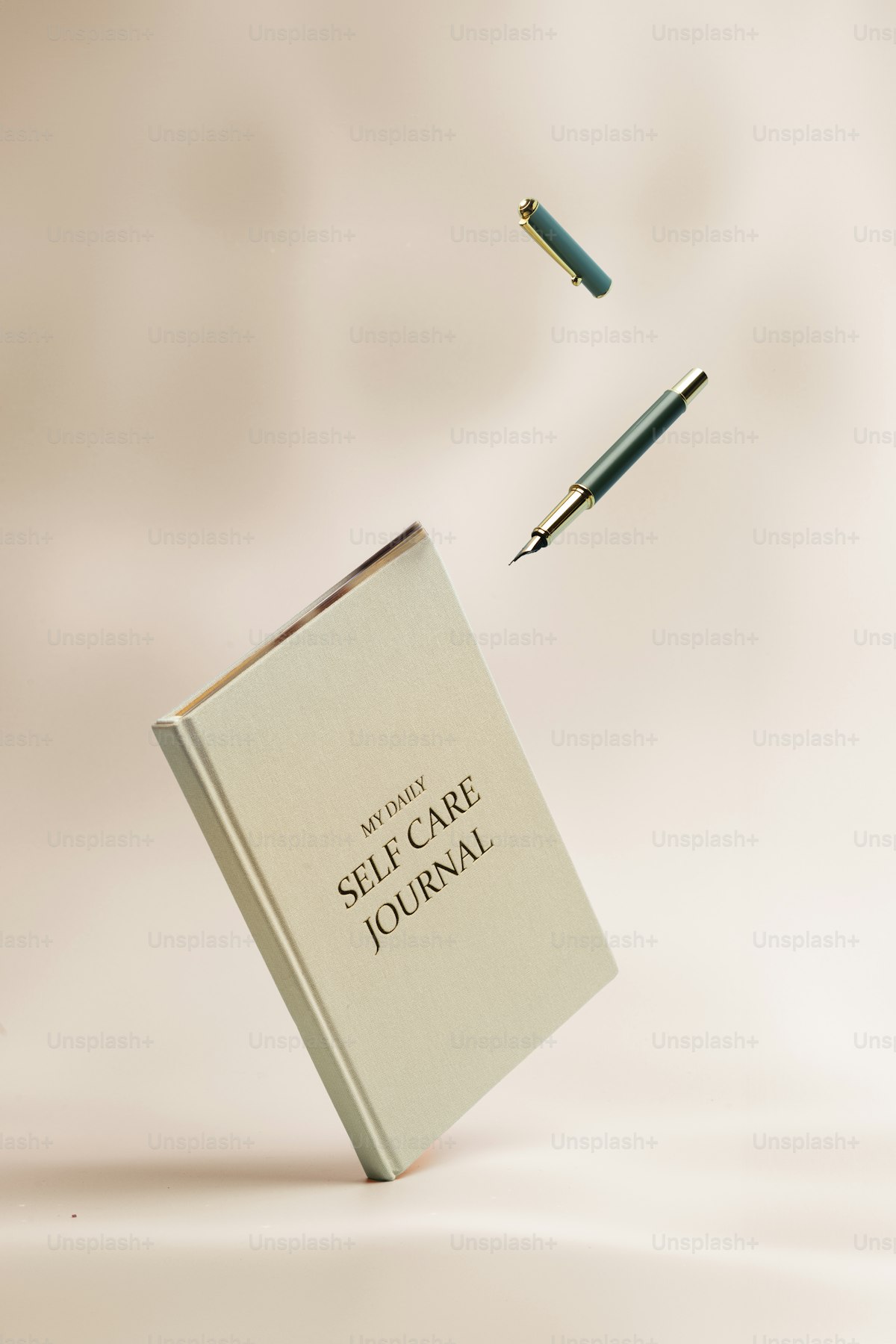
Understanding Mindfulness: A Comprehensive Guide for Beginners
Mindfulness is more than just a trend; it's a practice that can transform your mental health. Learn how to start your journey today with this comprehensive 600-word guide.

Explore our collection of articles designed to support your journey towards emotional well-being and inner peace.

Mindfulness is more than just a trend; it's a practice that can transform your mental health. Learn how to start your journey today with this comprehensive 600-word guide.

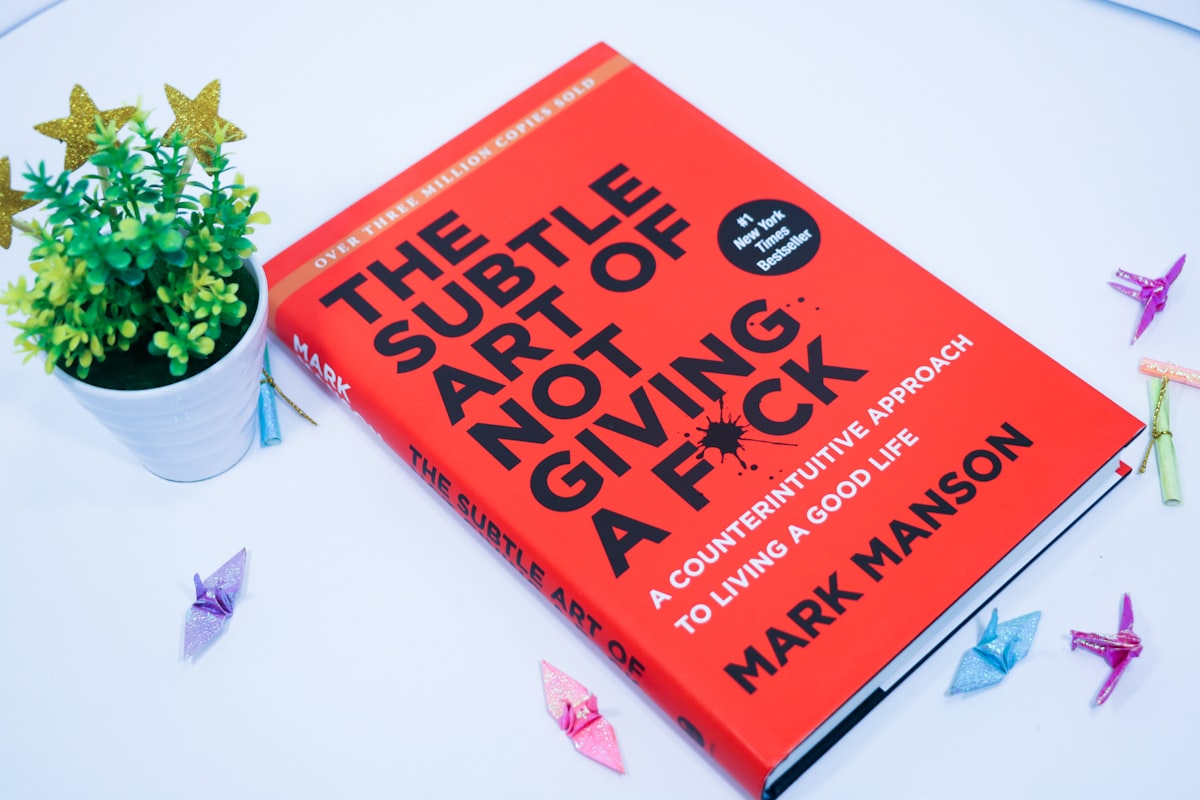
Discover the power of positive self-talk and how these five affirmations can help you stay grounded throughout the day. A deep dive into the psychology of affirmations.

Holding onto the past can weigh us down. Learn the psychological benefits of letting go and how to start the process of emotional liberation.

Sleep is not just rest; it's a vital biological process for emotional regulation. Explore the 600-word deep dive into sleep science.

Learn how to use your breath to hack your nervous system. A detailed guide to breathing exercises for managing acute stress and anxiety.

Emotional intelligence is the key to better relationships, career success, and personal well-being. Learn the five core competencies and how to develop them.

Self-compassion is more effective than self-esteem for building resilience and well-being. Learn the three core components and how to practice them daily.

Mindful eating isn't a diet—it's a practice that can heal your relationship with food. Learn how to eat with awareness, pleasure, and intuition.

Gratitude is more than good manners—it's a powerful practice that can rewire your brain for happiness. Discover the science and learn how to cultivate it.

Boundaries aren't walls—they're the foundation of healthy relationships. Learn how to set them with clarity, compassion, and zero apologies.

Your inner child holds the key to understanding your patterns, triggers, and deepest longings. Learn how to heal childhood wounds and reclaim your wholeness.

Stress doesn't have to control you. Discover evidence-based techniques to regulate your nervous system and find peace amid pressure.

Self-compassion isn't self-indulgence—it's a scientifically-proven path to resilience, motivation, and emotional well-being. Learn how to practice it.

Your phone is hijacking your dopamine system. Learn how to break free from digital addiction and reclaim your attention, focus, and peace.

Meaning isn't found—it's created. Discover how to cultivate purpose and live a life of depth, significance, and existential fulfillment.

Social anxiety isn't a life sentence. Learn evidence-based strategies to quiet your inner critic, engage confidently, and build meaningful connections.

Trauma doesn't have to define you—it can transform you. Discover the science of post-traumatic growth and how to cultivate resilience after adversity.

Burnout isn't inevitable—it's a boundary problem. Learn how to create sustainable work practices that support success without sacrificing well-being.

Acceptance and Commitment Therapy (ACT) offers a revolutionary approach: accept what you can't control, commit to what matters. Learn how to live with purpose despite pain.

Spiritual awakening isn't about becoming someone new—it's about remembering who you've always been. Discover the path from ego-identification to presence and wholeness.

Anxiety isn't a character flaw or a sign of weakness—it's a nervous system stuck in protection mode. Learn the physiology behind anxious feelings and seven evidence-based practices that help your body return to safety.

Writing about your deepest thoughts and feelings does more than fill a page—decades of research show it strengthens immunity, lowers stress, and reorganizes painful memories into coherent stories. Here's how to use the pen as a tool for healing.

Resilience isn't about being unbreakable or staying positive through anything. It's a set of learnable skills that help you bend without snapping—and research shows ordinary people build it in remarkably ordinary ways.

Grief has no timeline, no correct sequence, and no finish line. Understanding how loss actually moves through a human being can replace the pressure to 'move on' with something far more useful: permission to grieve honestly.

Forgiveness is one of the most misunderstood concepts in emotional healing. It doesn't require reconciliation, excusing harm, or forgetting. It's a decision to stop letting an old injury run your present.

Perfectionism is often mistaken for a strength. Research tells a different story: it predicts anxiety, burnout, and depression while quietly undermining the very performance it promises to protect.

Self-esteem built on performance collapses the moment performance falters. Genuine self-worth is unconditional, quietly stable, and built through practice rather than proof.

Loving-kindness meditation is the deliberate cultivation of goodwill—toward yourself, toward people you love, and eventually toward those you find difficult. It is trainable, measurable, and surprisingly practical.

Anger is not a character defect to be suppressed. It's information about a violated boundary or an unmet need. Learning to read it—rather than obey it or bury it—changes everything.

Loneliness is not a failure of character or popularity. It's a biological signal—as legitimate as hunger—telling you that a fundamental need is unmet. And like hunger, it can be answered.

Time in nature is not a luxury or a pleasant distraction—it's a measurable intervention for stress, attention, and mood. The research on why the outdoors heals is more compelling than most people realize.

Some experiences cannot be resolved by understanding them. When distress lives in the body rather than the story, healing has to begin where the distress actually is.

Overthinking feels like problem-solving, which is exactly why it's so hard to stop. But rumination rarely produces solutions—it produces more rumination. Here's how the loop works and how to interrupt it.

Shame is the most isolating emotion we have, and the one we're least able to talk about. Understanding how it differs from guilt—and why it thrives on secrecy—is the beginning of loosening its grip.

Most people who feel exhausted don't actually need more sleep—they need a kind of rest they aren't getting. Understanding the different types of rest is the difference between recovering and merely stopping.